

In recent years, the shopping carts of tea buyers have changed. Besides the familiar green tea, more and more people are adding a box of chamomile tea, a bag of artichoke tea, or a few ginger tea sticks to their carts. This change doesn’t come from advertising, but from the pace of life: late nights, spending all day in air-conditioned environments, high-protein diets, and coffee from morning till night. For distributors and retailers, understanding why consumers seek herbal tea is far more important than knowing how many types of herbs are on the market. This article looks at it from the perspective of the end buyer, then translates it back into a product catalog problem for businesses.
1. What do consumers look for when buying herbal tea?
The biggest difference between herbal tea and regular tea lies in the motivation for buying. Green tea buyers usually purchase it for its flavor, out of habit, or to have something to offer guests. Herbal tea buyers almost always purchase it for a specific need: insomnia, heartburn, indigestion, weight loss, or to reduce their dependence on coffee.
This creates a very practical consequence for sellers. Herbal teas don’t compete by growing region or the subtlety of their aftertaste, but by the clarity of their promise and their belief in the ingredients. A product that precisely states who it’s for, when to drink it, and how long it takes to see a difference will sell better than a product that only vaguely claims to be good for health.
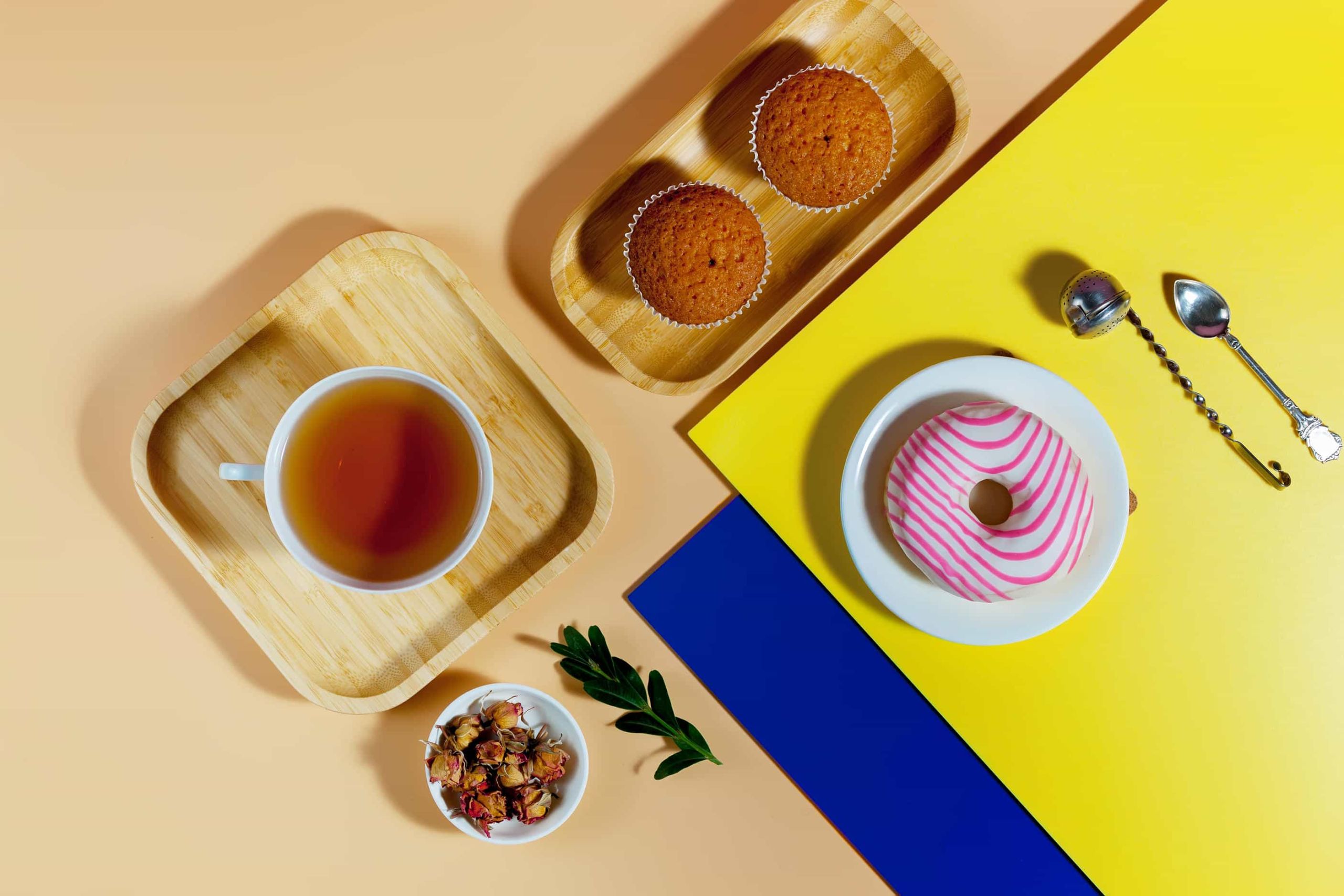
2. Caffeine-free – the biggest advantage in the modern workday.
Urban consumers today consume far more caffeine than previous generations: morning coffee, afternoon bubble tea, energy drinks during overtime. As a result, a significant portion are actively seeking decaffeinated beverages for the latter half of the day, but still want something hot, flavorful, and not just plain water.
Herbal teas fill that gap perfectly. Because they don’t contain tea leaves, most herbal products are caffeine-free, so drinking them in the evening won’t affect sleep. This is a point salespeople should state clearly on the packaging and in their consultations, as many customers still confuse herbal tea with regular tea and are hesitant to drink it after dinner. Simply clearing this misunderstanding could lead a customer to switch from buying a trial box to making regular monthly purchases.
3. Sleep – the most silent yet enduring need.
Insomnia and poor sleep quality are common complaints among those aged 30 to 55, a group with good incomes who are willing to spend money on gentle, non-medicinal solutions. For them, a cup of chamomile or lotus seed tea before bed is both a solution and a ritual to end the workday.
This demand has a very valuable characteristic for businesses: it’s repetitive. Customers who buy tea for sleep typically drink it nightly, so the repurchase cycle is short and stable, unlike the group buying tea as gifts, which only appears during holidays. A distributor who builds a loyal customer base in this group will have a consistent cash flow throughout the year. In return, the product must maintain consistent quality and aroma between batches, because customers who drink it daily will notice changes very quickly.
4. Cooling and detoxifying – a need linked to the Vietnamese climate and diet.
The hot and humid climate, coupled with a habit of eating a lot of fried and spicy foods and drinking beer, has made the concept of “internal heat” an everyday term for Vietnamese people. This is a local need that no imported beverage can explain as well as familiar herbs: artichoke, pagoda flower, cogon grass root, plantain, and luohan fruit.
A key point for sellers is that this demand group is highly seasonal. From March to August, the demand for herbal tea increases sharply, especially in Central and Southern Vietnam. After Tet (Lunar New Year), when people have just gone through many days of heavy eating and drinking, there is also a short but significant peak in demand. Distributors should plan their inventory based on these two peaks instead of spreading their stock evenly throughout the year.
5. Weight management: a great need, but it requires careful discussion.
Products related to weight loss, skin beauty, and digestive support are highly sought after, especially among female customers aged 25 to 45. Lotus leaf tea, ginger tea, cinnamon bark tea, and kombucha tea made with herbal ingredients are all popular choices on e-commerce platforms.
However, this is also the riskiest group in terms of marketing. Consumers are increasingly wary of exaggerated advertising claims, and regulators are tightening regulations on advertising food products as if they were medicines. A safer and more sustainable approach is to describe products at a supportive level, with specific usage instructions, rather than promising results. Sales agents who follow this approach tend to have lower complaint rates and retain customers longer, although sales may be slightly slower initially.
6. Health gifts for the elderly
One segment that is clearly growing is gifts for parents and grandparents. Buyers here are typically children in their thirties and forties, living far from home, who want to give something practical but not expensive and difficult-to-explain health supplements.
Herbal tea gift boxes perfectly meet that demand: affordable price, clear meaning, and immediate usability for the recipient. For this group, the purchase decision depends heavily on the box’s appearance, the clarity of ingredient information, and the feeling of reassurance about the product’s origin. Distributors should prepare at least one herbal tea gift box option for the holiday season, along with smaller sizes to encourage customers to buy multiple boxes at once. This product is also easy to sell alongside regular tea, creating a higher-value product basket than selling individual items.
7. Vietnamese ingredients: a familiar and easily persuasive advantage.
The list of herbs that Vietnamese people trust has been largely established over generations: chamomile for sleep and eyes, artichoke for the liver, pagoda flower for blood pressure, lotus leaf for figure, ginger for digestion and colds, lemongrass for aroma and cold relief, and Centella asiatica for memory and sleep.
The advantage for sellers in Vietnam is that they don’t need to educate the market from scratch. Customers already know the benefits; the remaining task is simply to convince them of the quality of the specific package they are holding. This means that the budget should be focused on controlling the ingredients, cleanliness, moisture content, natural color, and documentation, rather than telling a novel story. Local ingredients also help stabilize costs compared to imported herbs.
8. Where are people buying herbal tea?
The purchasing channels for herbal products differ significantly from those for traditional tea. High-end herbal teas still sell well through specialty stores and personal connections, but herbal products are thriving on e-commerce platforms, pharmacies, health food stores, mini-supermarkets, and social media sales groups.
A common characteristic of these channels is that customers make quick decisions based on images, short descriptions, and reviews from previous buyers. Therefore, products need to be in small sizes, affordably priced, with clear packaging that looks great in photos, and complete ingredient information. A distributor who usually sells loose leaf tea by weight will have to adjust their packaging and presentation if they want to seriously target this customer group.
9. The cataloging problem: how many herbal product codes are enough?
A common mistake is importing too many different types of products because everyone seems to be asking for them. As a result, capital is spread thin, inventory is nearing its expiration date, and none of the product lines have enough sales volume to negotiate a good price with the supplier.
A more logical structure is to divide by needs rather than by ingredient names. Three to four core product lines serve the three biggest needs: sleep, cooling, and digestion, selling year-round and accounting for the majority of sales. Add two seasonal product lines for peak hot weather and after Tet (Lunar New Year). Finally, one or two product lines in gift box format for the holiday season. With this structure, distributors can control inventory, easily train sales staff, and have enough sales data to decide on expanding the product line in the next season.
10. Things to consider before adding herbs to your list.
Herbal teas are easy to sell but not easy to make well. The ingredients are dried agricultural products, which easily absorb moisture and become moldy. The color and aroma change with the harvest season, so the risk of poor quality is higher than with real tea. Furthermore, the product belongs to the food category that requires declaration and complete documentation if it wants to be sold in supermarkets or pharmacy chains.
Therefore, the first thing a distributor should do is not choose product codes, but select a supplier capable of maintaining consistent quality between batches and providing sufficient documentation. Only then should they build a product catalog based on demand, test it on a small scale, measure sales speed over eight to twelve weeks, and then decide to scale up. Herbs are a good entry point to a new customer group, but they will only be profitable sustainably when managed as a food product category, not as a trend-driven commodity.