

From the outside, the Vietnamese tea market seems crowded: thousands of processing facilities, a few dozen familiar brands on supermarket shelves, and prices scrutinized down to the gram online. However, from a supply perspective, the picture is quite different. An industry producing approximately 230,000 tons of dried tea annually, ranking 5th in the world in terms of output, yet with most products still entering the market as unnamed brands, represents a market with significant untapped potential, not a saturated one. This article identifies specific gaps, the minimum capital and capacity required to enter, and a feasible roadmap for a new tea brand.
1. Why is there still room for latecomers in the market?
The key issue lies in the industry structure. The average tea-growing household is only about 0.2 hectares, making it very fragmented, leading to fragmentation in processing and trade. Very few entities are large enough to dominate a segment nationwide, and almost no brand holds a dominant position in the specialty tea group.
Furthermore, a significant portion of the value is still being lost at the final stage. The average export price in 2025 will only be around $1,700 per ton, approximately 60-65% of the global average, mainly because the goods are shipped in large bagged raw materials. The gap between the price of raw materials and the price of finished products is the potential that a new brand can exploit, provided it chooses the right niche instead of directly competing in the mainstream market.
2. Specialty teas associated with a specific growing region.
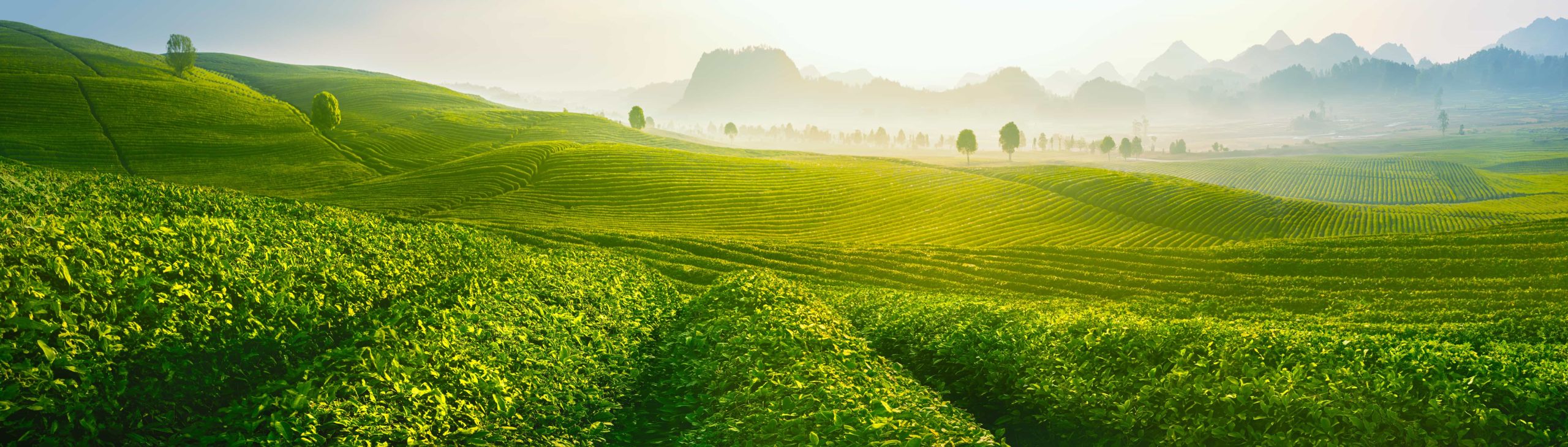
Vietnam possesses tea-growing regions that many other tea-producing countries lack: ancient Shan Tuyet tea plantations in Suoi Giang, Hoang Su Phi, Lung Phin, and Ta Xua; the Oolong tea region of Cau Dat plateau; and the renowned teas of Tan Cuong, La Bang, and Trai Cai in Thai Nguyen. The target of 34,500 hectares of specialty tea by 2030 indicates that the supply for this group will continue to expand.
The gap lies in the fact that while there are many valuable raw materials, very few products truly tell their story. Most ancient teas are still sold by weight, grouped together in multiple batches, losing all trace of the tree, the harvest season, and the people who produced them. A new brand only needs to do one thing well – standardize and record the origin of each batch – to create a difference that bulk sellers cannot quickly replicate.
3. Organic tea and products with controlled residue levels.
Concerns about pesticide residue have long been a bottleneck for Vietnamese tea, especially in the European market where inspection thresholds are very strict. These thresholds are both a barrier and a protective shield for those who overcome them: the number of businesses with clean raw material areas, complete testing records, and controlled cultivation processes remains low compared to demand.
The target for 2030 is 11,000 hectares of organic tea, meaning that the supply of certified raw materials will gradually increase, but it will not be abundant in the short term. For a new brand, a viable approach is to establish a long-term partnership with a small raw material source, invest in conversion and certification costs, and then position itself in the high-price segment instead of trying to sell organic tea at prices close to regular tea – that approach is almost certain to result in losses.
4. Premium gift tea and packaging segment
Gifts are a segment where buyers don’t compare prices per gram but rather the feeling of sophistication. During holidays, a beautifully packaged box of tea can sell for many times the value of the ingredients inside, and corporate clients often place large orders at once.
The gap here is clear: most tea gift boxes on the market still use generic, pre-printed packaging that lacks individuality, and the tea inside is rarely carefully selected. New brands have an advantage because they are not bound by old molds: they can design a complete experience package, from the box and bag to the region information card and brewing instructions. This product group also allows for quick return on investment thanks to high profit margins and a concentrated order cycle.
5. Tea as an ingredient for the beverage industry.
The group of milk tea shops, coffee shops, hotels, and industrial kitchens consume large quantities of black tea, green tea, and oolong tea in packages ranging from 500 grams to several kilograms. This is the least flashy segment but has the most consistent cash flow, as customers place monthly orders under contract rather than buying seasonally.
The opportunity for newcomers lies not in lower prices but in stability. Many shop owners have to adjust their recipes because new batches of tea have different flavors than previous ones, and they are willing to switch suppliers to avoid that hassle. A new brand that effectively controls blending between batches, delivers on time, and maintains a complete quality record can quickly gain ground. However, the profit margin is thin, so volume is needed to compensate.
6. Functional herbal teas and blended products
The herbal group – chamomile, artichoke, pagoda flower, lotus leaf, ginger, lemongrass, and Centella asiatica – along with blending formulas with real tea base, represents the most accessible gap for businesses that do not own their own tea plantations. The raw materials are dispersed across many medicinal plant regions in the country, allowing them to purchase as needed instead of having to invest in tea plantations.
The biggest advantage is the ability to create unique formulas that competitors cannot accurately replicate. Eligibility requirements include a complete quality declaration dossier, traceable raw materials, and legally compliant wording of product claims, avoiding advertising like medicine. New brands need to anticipate the risks of fluctuating prices and quality of medicinal raw materials depending on the season, so securing contracts with growing regions is a crucial step to consider early on.
7. Tea for international guests and niche markets
International tourists visiting Vietnam are a unique group of tea buyers: they buy to take home, are interested in the cultural story, accept higher prices, but demand compact packaging, English labels, and clear information. Very few tea products on the market are currently designed specifically for this need.
Looking further afield, Vietnamese tea is present in niche markets across more than 70 countries. Besides large-volume markets like Pakistan and Taiwan, export prices to Europe reach approximately $2,000 per ton, while Africa is emerging with very strong growth projected for 2025. New brands may struggle to compete in large-scale orders, but they can certainly start with smaller orders, offering fully packaged products that meet HACCP or HALAL standards, depending on the market.
8. Capital, minimum capacity, and private label outsourcing options.
A new tea brand doesn’t necessarily need a factory. Minimum capabilities include four things: stable relationships with at least one sourcing region, the ability to control input quality, legal documentation for product declaration, and a sales channel that can verify demand before expansion.
Private label manufacturing is the least risky entry point. Businesses that establish their own production lines with their own formulas and specifications can focus their resources on selecting raw materials, designing packaging, and sales. This method avoids tying up capital in machinery before knowing which products will sell. The conditions include strict control over each batch, clear agreements on technical standards, and absolutely no allowing the private label manufacturer to use the original, customized formula.
9. Mistakes that lead to the failure of new tea brands.
The most common mistake is launching a product line that’s too broad from the start: twenty product codes for a brand with no existing customers, leading to large inventories, the tea losing its flavor, and capital tied up in storage. The second mistake is investing heavily in packaging before verifying product quality, creating attractive packaging that doesn’t lead to repeat purchases.
The third group of mistakes relates to pricing and channels: pricing based on intuition, failing to account for packaging costs, discounts, advertising, and losses, and then selling online at prices that violate the policies of the newly signed distributor. Finally, there are mistakes regarding sourcing – sourcing tea from various sources at good prices in batches, resulting in inconsistent flavors from one batch to another. With a product that customers buy repeatedly like tea, inconsistent flavor means losing customers.
10. The path from a niche to a large market.
The viable path typically follows three stages. The first stage involves selecting a niche and a clear customer group, limiting the product portfolio to three to five items, and selling directly to gather genuine feedback and standardize the formula. The goal here isn’t sales volume, but rather repeat customer rates.
Phase two involves in-depth expansion: adding gift and raw material specifications from the already market-accepted product line, building a regional dealer network with consistent pricing policies, and completing certification documentation. Phase three then considers modern retail and packaged export – two channels requiring working capital and consistent supply capacity. For dealers and distributors, this also serves as a set of criteria to assess whether a new brand is worth partnering with long-term.