

Vietnam ranks 5th in the world in tea production and export, but most people starting a tea business are stuck on a very basic question: what types of tea are available on the market and who does each type serve? For dealers, distributors, or businesses building a brand, correctly identifying each type of tea is not simply a matter of knowledge. It’s the foundation for selecting suppliers, setting prices, and building a truly profitable product portfolio. This article outlines a comprehensive picture of the types of tea currently circulating in the Vietnamese market.
1. How the market categorizes tea varieties.
Despite the various market names, almost all genuine teas come from the same plant: Camellia sinensis. The differences lie in the degree of oxidation of the leaves after harvesting and the processing methods. Green tea undergoes early enzyme inactivation, resulting in minimal oxidation; oolong tea undergoes partial oxidation; black tea undergoes complete oxidation; and white tea is only lightly withered and dried.
Beyond this main classification, the Vietnamese market also has two other groups that are often grouped together but are fundamentally different: flavored tea (using real tea leaves with added flowers) and herbal tea (containing no tea leaves, made from flowers, fruits, stems, and roots). For business owners, understanding these three categories correctly helps avoid the most common mistake when importing goods: comparing prices between two products that are fundamentally different.
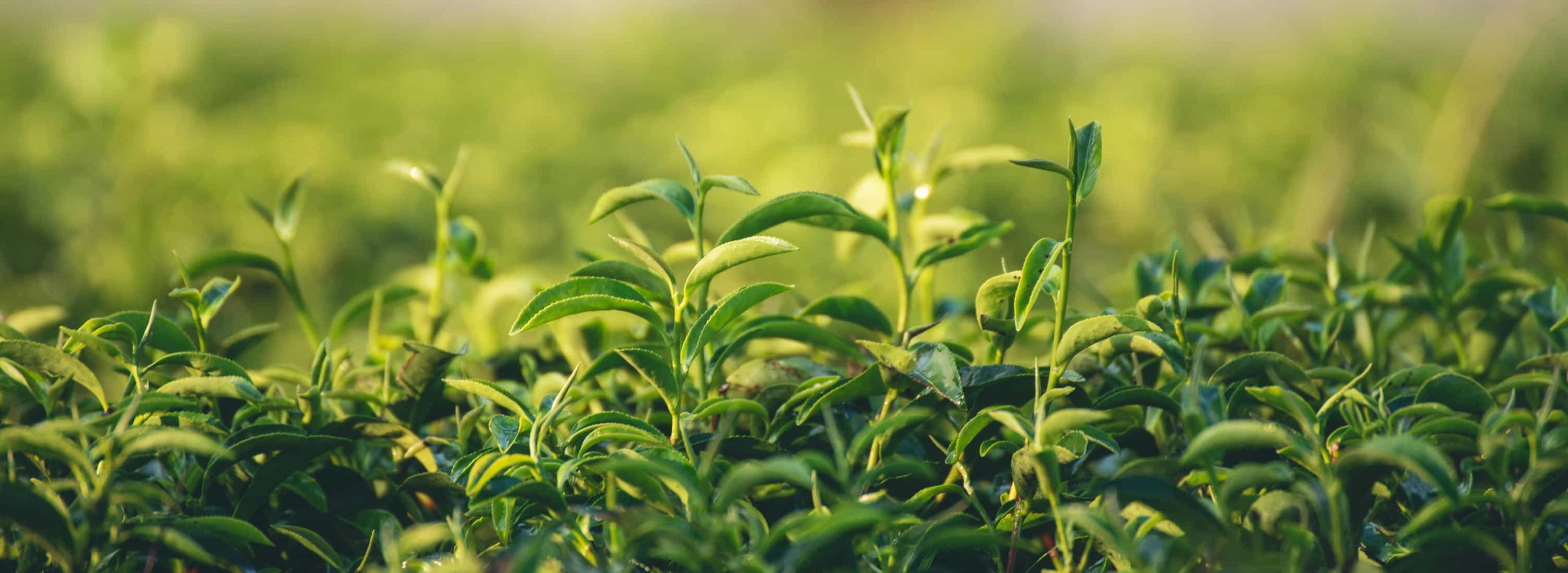
2. Green tea – the foundational tea type of the domestic market.
Green tea accounts for the largest share of domestic consumption and is closely linked to the daily tea-drinking habits of Vietnamese people. Thai Nguyen is a typical tea-producing region with famous teas such as Tan Cuong, La Bang, and Trai Cai; in addition, Phu Tho, Yen Bai, Nghe An, and the highlands of Ha Giang are also major producers. The characteristic features of Vietnamese green tea are its yellowish-green color, rice-like aroma, and distinctly astringent taste followed by a sweet aftertaste – quite different from Japanese green tea, which leans towards umami, or Chinese green tea, which emphasizes roasted flavors.
From a business perspective, green tea has the widest price range, from a few hundred thousand to several million dong per kilogram, making it very suitable as a flagship product. It’s also the easiest to sell but faces the most intense competition, requiring distributors to secure a consistent supply with consistent flavor across harvest seasons.
3. Black tea – a pillar of export revenue.
Black tea, or red tea as it’s called in East Asia, is fully oxidized, resulting in a reddish-brown liquor with a strong, less bitter taste, and pairs very well with milk or sugar. In Vietnam, black tea is rarely drunk neat, but it’s a staple ingredient in the beverage industry: milk tea, fruit tea, bottled tea.
On the export side, this is a major contributor to revenue. In 2025, Vietnam exported approximately 136,900 tons of tea, earning nearly $238 million, with an average price of around $1,700 per ton – only about 60-65% of the world average price. The main reason is that most of the product still goes out in raw form, packaged in large bags, without branding. This is both an inherent weakness of the industry and the clearest opportunity to increase the value of Vietnamese tea.
4. Oolong tea – a gateway to the mid-range and high-end segments.
Oolong tea is partially oxidized, typically from 15% to 70%, placing it between green and black tea in terms of both color and flavor. Lam Dong, especially Bao Loc and Cau Dat, is the oolong tea capital of Vietnam, with varieties such as Kim Tuyen, Thuy Ngoc, and Tu Quy imported from Taiwan and well-adapted to the highland climate.
For distributors, oolong tea is noteworthy for three reasons. First, it has a higher profit margin than regular green tea. Second, the product has a clear story about its growing region and processing method, making it easy to market. Third, oolong tea caters to two customer groups simultaneously: tea connoisseurs and beverage chains that require natural floral ingredients. This is often the first product line a distributor should add when looking to upgrade their product range.
5. Ancient Shan Tuyet tea trees – a native asset of Vietnamese tea.
Shan Tuyet tea is an advantage that very few tea-growing countries possess. Regions such as Suoi Giang (Yen Bai), Hoang Su Phi, Lung Phin (Ha Giang), and Ta Xua (Son La) boast ancient tea plantations hundreds of years old, growing at altitudes above 1,000 meters, with buds covered in a layer of white down like snow. This raw material can be processed into green tea, black tea, white tea, or fermented tea over time.
In terms of commercial value, ancient Shan Tuyet trees are a rare and compelling segment in the international market, where buyers are willing to pay high prices for factors such as origin, age, and natural cultivation. The limitations are low yield and inconsistent quality, making them more suitable as a brand-building product line rather than a mass-market product.
6. White tea and yellow tea – rare, high-value segments.
White tea is made from young buds and leaves, undergoing only a wilting and light drying process, without rolling or strong enzyme inactivation. The tea liquor is light in color, with a delicate aroma, a mild sweetness, and a high content of antioxidants. Yellow tea is a rarer variety, undergoing an additional light yellowing process, resulting in a softer and less astringent taste.
Both tea varieties have small production volumes in Vietnam but are being exploited by manufacturers using shan tuyet raw materials, creating products that sell for many times the price of regular tea. For businesses aiming for export, this is a worthwhile investment, as the European and North American markets are increasing their demand for specialty teas that are minimally processed and have clear traceability.
7. Scented tea – a unique Vietnamese cultural identity.
Scented teas use real tea leaves, usually green tea, and are then infused with fresh flowers to allow the fragrance to permeate the tea leaves. West Lake lotus tea is the pinnacle of this technique, with a multi-step infusion process using lotus rice, requiring thousands of flowers for one kilogram of finished product. More common and affordable options include jasmine tea, wolfberry tea, osmanthus tea, and chrysanthemum tea.
A key point to note when importing tea is the distinction between naturally flavored tea and tea flavored with synthetic additives. The two types differ significantly in cost but look almost identical. For distributors, flavored teas are an effective gift option, especially during holidays and Tet (Vietnamese Lunar New Year), when packaging and cultural significance largely determine order value.
8. Herbal teas and blended teas – a new growth engine.
Herbal teas that don’t contain tea leaves include: chamomile, artichoke, pagoda flower, lotus leaf, ginger, lemongrass, centella, and chia seeds. This group is growing rapidly because it taps into the demand for health care, is caffeine-free, and suitable for both young and old. Blended teas combine real tea with herbs, dried fruits, or spices, creating products with unique flavors for each brand.
This group allows businesses to differentiate themselves without owning large raw material sources. However, blended products require stable formulas, strict control of raw materials, and complete quality documentation, especially when intending to sell in supermarkets or export.
9. Convenient tea options: tea bags, instant tea, and brewing ingredients.
Besides classification by raw materials, the market is also divided by usage. Loose leaf tea caters to tea connoisseurs and the gift segment. Tea bags target offices, hotels, and busy households. Instant tea and concentrated tea serve fast-moving consumer goods. Meanwhile, large packages of beverage ingredients serve bubble tea chains, cafes, and industrial kitchens.
The shift towards convenient tea products is evident, leading to new requirements regarding packaging, expiration dates, and packing specifications. For distributors, each format corresponds to a different sales channel, so it’s necessary to identify the channel first before choosing product specifications, rather than importing goods impulsively and then struggling to find customers.
10. Which tea line should I choose for my business portfolio?
A well-structured product portfolio rarely consists of just one type of tea. The typical structure of a successful dealership comprises three layers: the cash flow group, which includes popular green teas and tea bags, selling consistently year-round; the profit margin group, which includes oolong teas, flavored teas, and blended teas; and the brand positioning group, which includes ancient Shan Xue teas or specialty white teas, with smaller production volumes but building prestige.
For businesses aiming for international markets, the challenge is multiplied: shifting from selling raw materials to selling branded, traceable products that meet residue standards. This is the gap between the current price of $1,700 per ton and the global price level that Vietnamese tea can absolutely reach.